Porch and Patio Seating: A Plain Buying Guide
Choose patio furniture around your main activity, usable floor space and care routine. Pick a swing for shared swaying, rockers for individual movement, Adirondack chairs for reclining or a bistro set for drinks and light meals.
On this page (10 sections)
- How do you choose patio furniture for your space?
- Should you choose a swing, rocker or Adirondack chair?
- Which patio furniture materials are easier to care for?
- Which seating option fits your porch or patio routine?
- How do you compare patio furniture sets and separate seats?
- What should you measure before buying patio furniture?
- How should you set up new outdoor seating?
- How should you plan for weather and storage?
- What common patio furniture mistakes should you avoid?
- Which patio furniture should you choose?
Choose patio furniture for the activity you'll do most: sharing a swing, rocking in your own chair, reclining with a book or sitting beside a table. Then check that the furniture leaves room to move and fits the care routine you'll keep.
Start with your regular household rather than the largest gathering you might host. A porch that works well every morning is more useful than one crowded with seats that rarely get used.
This guide compares those seating choices, explains where each works and shows which details to settle before ordering.
How do you choose patio furniture for your space?
Choose the main activity first, then work backward to the furniture and floor space it needs. Count regular users, decide whether a table is essential and mark the paths that must stay clear.
Write down what a normal visit outside looks like. Drinking coffee for 15 minutes, reading for an hour and eating dinner call for different seat positions and table arrangements.
| If you want to… | Consider… | Check first |
|---|---|---|
| Sit and sway on a porch | A porch swing | Structural support, hanging hardware and movement clearance |
| Rock in your own seat | Outdoor rocking chairs | Level surface, rocker travel and access |
| Recline with a drink or book | Adirondack chairs | Seat position, standing effort and storage |
| Share drinks or light meals | A bistro set | Usable tabletop, seat position and chair clearance |
| Seat several people together | A patio furniture set | Occupied footprint, seat count and cushion storage |
Separate essential needs from extras before comparing styles. If 2 people use the patio daily, start with 2 suitable seats rather than buying a larger arrangement for occasional guests.
Plan a place for drinks if that's part of the routine. A cup holder helps with a beverage, but you'll still need a surface for a plate, book or shared snack.
Shade also changes how useful a seating area feels. Check the spot at the time you'll use it, since a chair placed in morning shade may sit in direct afternoon sun.
Which patio furniture layout suits a small patio?
A small patio works best with one clear purpose and an open route through it. Choose the seats that serve that purpose, then add a table only if you need one.
Place the most-used seat where it has a useful view and easy access. Avoid treating every empty corner as space that needs another piece of furniture.
A pair of chairs can form a conversation area without a large table between them. A bistro set adds a shared surface, but the chairs still need room for people to approach, sit and leave.
Use how to arrange patio furniture on a small patio to plan the occupied layout. Our bistro set guide explains how a two-seat arrangement works for drinks and meals.
For a shared balcony, keep access to doors, utility points and drainage clear. Check building rules before adding furniture or installing anything into the structure.
Should you choose a swing, rocker or Adirondack chair?
Choose a swing for shared movement, a rocker for individual movement or an Adirondack chair for reclining. These seats use space differently, even when their overall dimensions look similar.
A swing needs suitable overhead support and room around its moving seat. Before buying, read how to hang a porch swing and have a qualified installer assess the structure if its capacity is uncertain.
Rockers avoid overhead installation and let each person move at their own pace. They still need a firm, level surface and enough room for the runners to travel without meeting a wall, table or step.
Adirondack chairs suit people who want to lean back rather than sit close to a dining table. Their reclined shape can make reaching forward or standing up more demanding.
Check why Adirondack chairs can be hard to get out of if seat height or standing effort affects your choice. A high weight capacity doesn't tell you whether a chair's shape suits your body.
If anyone uses a mobility aid, leave space for it beside the seat and along the approach. Our guide to patio furniture for seniors covers access and seating features worth checking.
How much space does a porch swing need?
A porch swing needs its full movement area plus room to approach and leave the seat. Use the installation instructions to set clearances rather than treating the bench footprint as the whole space requirement.
Mark nearby railings, walls, windows and planters before deciding where it will hang. Keep the swing's travel away from a walking route, especially where someone might pass behind it.
The porch swing width and depth guide explains how overall dimensions differ from usable seating space. Allow room beside the swing for people to get on and off without stepping into its path.
When are separate chairs the better choice?
Separate chairs suit people who want independent seats or a layout they can change. They also avoid making everyone share one seat angle and movement.
A couple may prefer one chair facing the garden and another turned toward the house. Separate seating makes that possible, provided the arrangement keeps a useful conversation distance.
Think about how often you'll move the chairs. A piece can be suitable for outdoor use yet awkward to carry across steps or through a narrow door.
Which patio furniture materials are easier to care for?
HDPE suits buyers who want to avoid wood finish upkeep, while wood suits those willing to maintain its surface. Wicker-look sets add another care task when they include cushions and pillows.
Judge the whole piece rather than the main material alone. A seat may combine a frame, fasteners, woven panels and soft furnishings that each need attention.
Wood: choose it for its appearance and plan for finish care
Outdoor wood needs regular checks of its coating, joints and contact points. Sun and moisture can wear a finish, so follow the brand's care directions before the surface becomes neglected.
Inspect the underside and joints as well as the parts you see while seated. Avoid leaving wet cushions or damp debris against wood for long periods.
A painted or coated surface still needs care. If you want furniture you can clean and put back into use without planning finish work, HDPE is the simpler starting point.
HDPE: choose it for a simpler surface-care routine
HDPE is a plastic material used in outdoor seating, including the SERWALL and GREENVINES chairs below. It avoids the wood coating task, but still needs cleaning and hardware checks.
Start with a gentle cleaning method allowed by the brand. Remove grit before wiping so you don't drag it across the surface, and rinse away cleaner when directed.
Don't assume every plastic outdoor chair has the same build or feel. Shape, joints, weight and seating position still determine whether the furniture fits your use.
Wicker-look furniture: check the frame and soft pieces
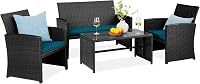
Wicker describes the woven construction, so check what forms the weave and what supports it. The PORWEY set combines PE rattan with a powder-coated steel frame.
Brush away loose debris before wiping woven surfaces, and inspect areas where water or leaves can collect. Treat damaged frame coating according to the care instructions rather than ignoring exposed areas.
Cushions add softness but need somewhere dry to go. Removable covers make cleaning access easier, although a zipper doesn't mean the fabric can go into a washing machine.
If you're comparing a woven style with metal seating, see wicker vs aluminum patio furniture. Focus on the frame, cushion needs and exposure rather than appearance alone.
Which seating option fits your porch or patio routine?
Choose the option whose installation, seating position and storage needs match your daily use. The 4 examples below serve different purposes, so decide the seating type before comparing smaller features.
VINGLI wooden swing: for shared porch seating
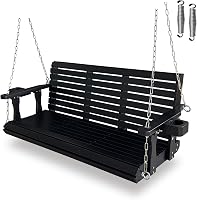
The VINGLI suits a household that wants to sit together and has suitable hanging support. Skip it if you need movable seating or haven't settled the structural and hardware questions.
The cedar swing has a painted finish and measures 60.6 in wide by 24.4 in deep. Its seat depth is 15.4 in, which helps you judge leg support more usefully than the overall depth alone.
VINGLI describes seating for up to 3 people, but shared comfort also depends on body size and preferred elbow room. Don't treat the maximum seat count as a promise that every group will fit comfortably.
The curved knee area is worth considering if you dislike a straight seat edge. It doesn't tell you how the seat will feel for each person, so compare the depth with a chair you already find comfortable.
The chains let you adjust the seat angle, but that adjustment doesn't replace correct installation. The swing's capacity applies to the swing; the support, connectors and attachment points must also suit the installation.
VINGLI describes the chains as suitable for porch heights up to 8 ft, with adjustment for lower spaces. Resolve the hanging height and separate hanging kit before arranging installation.
During bench assembly, start the fasteners loosely and tighten them after the parts line up, as VINGLI directs. Once installed, keep the travel area clear and inspect the wood, chains and attachment points as part of routine care.
SERWALL HDPE rockers: for two independent seats
The SERWALL pair suits 2 people who want separate rocking seats without a ceiling installation. Skip it where the floor is uneven or the only available spot leaves little room for movement.
Each chair has a 35 in depth and 26.9 in width, with a stated capacity of 350 lb. Mark that footprint, then leave additional room for rocking and getting into the chair.
SERWALL describes a widened center back slat intended to spread pressure. Seat shape remains a personal fit question, so don't choose on the “oversized” name alone.
Confirm the seat opening if width is critical: SERWALL gives both 19.68 in and 21.1 in seat-width figures. That difference matters more to a close fit than the chair's overall width.
These rockers make sense for a porch conversation area where each person wants control over movement. Place a shared table where it can be reached without sitting in the runners' path.
SERWALL calls for partial assembly and advises leaving screws loose until assembly is complete. Set each finished chair on the intended surface and check that the runners move without catching on joints or nearby objects.
Keep fingers, toes and pet bedding away from the runners. Before settling into a new position, confirm that moving the chair hasn't brought its arc too close to a wall or edge.
GREENVINES folding Adirondack chairs: for reclining and seasonal storage
The GREENVINES pair suits people who want reclined seating that folds for storage. Skip it if you need upright meal seating or find low, laid-back chairs difficult to leave.
Each chair measures 29.1 in wide by 33.5 in deep by 35 in high and has a stated capacity of 350 lb. The wide arms offer resting space, while the cup holder keeps a drink beside the seat.
Folding helps reduce the storage footprint, but each chair weighs about 36 lb. Plan how you'll move it before choosing this pair for frequent trips up stairs or across a yard.
These chairs fit a reading corner or a conversation area where people want to lean back. A reclined posture is less suitable for leaning over a table to eat a full meal.
Check storage access as carefully as the outdoor footprint. Folding is useful only if the chair can pass through the shed door and fit where you intend to keep it.
Follow the assembly instructions and keep hands clear of moving joints when folding. Open the chair fully and check its position before sitting, rather than assuming it is ready because the seat looks open.
PORWEY bistro set: for a shared table and cushioned seats
The PORWEY set suits 2 people who want cushioned seating with a shared table. Skip it if you need a full-size dining surface or don't have a dry place for soft furnishings.
Its tan PE rattan and cream cushions suit buyers who prefer a woven look. The table has a tempered-glass top, and the cushion covers unzip for removal.
PORWEY describes deep, wide chairs, which makes them more relevant to relaxed sitting than tightly tucked dining. Measure the full arrangement instead of assuming “bistro” means the chairs will disappear under the table.
The table has a stated load limit of 100 lb, but it remains a table rather than a seat or step. Keep loads stable and avoid concentrated impact on the glass.
Assembly involves attaching the leg frames to the seats and tabletop with the included hardware. Allow cushions and pillows to expand after unpacking before judging their shape.
Wipe the set with a damp cloth as directed, and check fabric care instructions before washing the covers. Store cushions dry rather than sealing damp padding inside a storage box.
How do you compare patio furniture sets and separate seats?
Choose a set for a shared activity and separate seats for individual fit or flexible placement. Matching pieces save you from coordinating styles, but they still need to work well together in your space.
For dining, check the relationship between the seat and tabletop. A low lounge chair beside a taller table can leave you reaching upward or leaning forward through the meal.
Table size should match what you'll put on it. Picture 2 plates, glasses and a serving dish rather than judging a bare tabletop from its overall appearance.
A small table may work well for coffee and snacks while feeling cramped at dinner. Decide which use matters before accepting the smaller footprint.
Compare best patio furniture sets for broader arrangements and best small patio furniture sets for compact choices. Measure the set with people using it, not only with chairs pushed in.
Separate seats make it easier to choose different shapes for different people. One person may want a reclined chair while another prefers a seat that's easier to rise from.
Use best Adirondack chairs for reclined options or best outdoor rocking chairs for moving seats. Keep the table within reach of both users without narrowing the walking route.
Also count the pieces you'll maintain. A larger set can bring more cushions, covers and surfaces than a small household needs.
What should you measure before buying patio furniture?
Measure the occupied layout, access route and storage area before ordering. Overall furniture dimensions are only the starting point.
- Measure usable patio width and depth, excluding steps and fixed obstacles.
- Mark doors, gates and their full opening paths.
- Map the route people take between the house, seats and yard.
- Mark furniture footprints with tape, paper or flattened boxes.
- Add chair pullback, rocker travel or swing clearance.
- Check delivery access, including narrow turns and stairs.
- Measure the place where cushions or folded furniture will be stored.
Walk through the marked layout carrying a tray. That shows whether a route that feels acceptable when empty becomes awkward during normal use.
Use an existing chair to judge the approach and standing space. It won't reproduce another seat's exact posture, but it helps reveal a layout that crowds knees or blocks someone else's exit.
For swings, settle the support and hanging points before buying. Read how to hang a porch swing for the beam and hardware questions to resolve.
If furniture must pass through the house, consider both the boxed delivery and the assembled piece. Assemble large items near their final location when the instructions and available workspace allow it.
Measure covers and storage boxes around the furniture or cushions you'll actually use. A storage plan that depends on compressing damp cushions or forcing a folded chair through a doorway needs revision.
How should you set up new outdoor seating?
Assemble on a protected surface, align parts before final tightening and check stability at the intended location. A careful setup helps avoid damaged finishes, crooked joints and furniture that rocks when it shouldn't.
Lay out the parts and hardware before starting. Keep small fasteners in a container so they don't fall through deck boards or disappear into grass.
Use the specified tools and tightening method. Don't force a fastener that resists; check its alignment and the assembly order first.
Once assembly is complete, inspect each joint and confirm that all feet or runners contact the surface as intended. Move the piece if uneven paving makes it unstable, rather than wedging random objects beneath it.
Add cushions and accessories only after checking the frame. Keep covers, straps and loose fabric clear of runners, hinges and swing hardware.
For hanging seating, follow the installation instructions and use help suited to the structure. Bench assembly and overhead installation are separate jobs, even when the bench goes together quickly.
How should you plan for weather and storage?
Plan separate care for frames, hardware and cushions, then make it easy to follow. A nearby dry storage spot is more useful than one you won't use because it's difficult to reach.
Remove leaves and dirt before they collect in joints or beneath cushions. Clean furniture before storage so grit and damp debris don't remain trapped against the surface.
Let pieces dry before covering them. Use covers according to their directions and check underneath during long periods of damp weather.
Keep removable cushions dry when they aren't needed. The PORWEY set should be wiped with a damp cloth, with cushion covers cared for according to their fabric instructions.
Folding furniture can reduce seasonal storage space, but it still needs a suitable dry location. Read how to store a patio set for winter to plan the move before cold or wet weather arrives.
Inspect fasteners, joints and finishes at the start of the season and periodically during use. Stop using furniture with damaged structural parts until those parts are repaired or replaced as directed.
Before severe weather, move or secure furniture according to the brand's guidance and your home's conditions. Furniture weight alone isn't a storm plan.
What common patio furniture mistakes should you avoid?
Avoid buying for appearance before checking fit, movement and upkeep. Most preventable problems begin with a detail that seemed small before the furniture arrived.
Counting the maximum seats as comfortable seating: a shared bench may fit the stated number of people without giving everyone their preferred elbow room. Plan around regular users and their space needs.
Using overall width as seat width: arms, frames and runners can take up part of that measurement. Check the usable seat opening when body fit matters.
Forgetting moving parts: rockers and swings need more than a parked footprint. Keep their travel separate from tables, walls and walking routes.
Treating folding as easy carrying: a chair can fold neatly and still be awkward to lift. Consider weight, stairs and the distance to storage together.
Assuming a table suits every meal: a compact surface may handle drinks well but leave little room for plates. Match the tabletop to your normal use.
Buying cushions without a storage plan: removable covers don't keep padding dry. Decide where cushions will go before choosing cushioned seating.
Using furniture capacity as installation capacity: a swing's stated load limit doesn't verify a porch beam or hanging connector. Resolve the whole installation before anyone uses it.
Which patio furniture should you choose?
Choose the seating type first, then rule out anything that fails your space, access or care needs. Your final patio furniture choice should support the routine you expect to repeat.
- Choose the VINGLI swing if you want shared swaying and have suitable structural support and hanging hardware.
- Choose the SERWALL rockers if 2 people want independent moving seats on a firm, level surface.
- Choose the GREENVINES Adirondack pair if reclining matters most and folding helps your storage plan.
- Choose the PORWEY bistro set if you want cushioned conversation seating and a shared surface for drinks or light meals.
If the seating type is settled, compare best porch swings, best patio furniture sets or best outdoor rocking chairs for the next shortlist.
Before ordering, mark the chosen arrangement and walk through it once more. Use how to arrange patio furniture on a small patio to resolve any tight approaches or blocked routes.
Frequently asked questions
How do I choose patio furniture?
Choose patio furniture around your main activity, then check the space and care it needs; count regular users, mark doors and walking routes, and measure the arrangement with seats in use. Choose the seating style next, then compare materials, storage needs and access for assembly.
What patio furniture works best in a small space?
A small patio works best with furniture that supports one main activity and leaves a clear route through the space. Two separate chairs can suit conversation, while a bistro set adds a shared surface; measure chair movement and entry space before deciding, and avoid filling every corner.
Is wood or HDPE better for outdoor seating?
HDPE suits buyers who want to avoid the finish upkeep that outdoor wood can need; wood suits buyers who prefer its natural appearance and will inspect and maintain its coating. Neither material removes the need to clean the furniture, check fasteners and plan for severe weather.
Can patio furniture stay outside all year?
Some patio furniture can remain outdoors year-round if its care instructions and local conditions allow it. Check cushions, frames and hardware separately, since they may need different protection; store soft pieces dry, secure furniture before storms and inspect for damage before returning seats to use.
What should I measure before buying patio furniture?
Measure the usable floor area, delivery route and space needed while the furniture is occupied; include door swings, chair pullback, rocker travel and space to stand. For hanging seats, also check overhead support and installation clearance, then measure the storage location if pieces will move indoors.