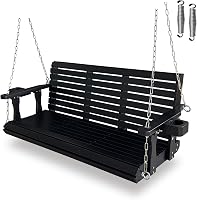
How to Hang a Porch Swing (and What the Beam Must Hold)
Here's how to hang a porch swing: attach suitable rated swing hardware to verified structural support, then set the suspension, height, and clearance according to the swing and hardware instructions. Confirm the support before drilling.
On this page (9 sections)
- How do you hang a porch swing safely?
- What must the porch beam hold?
- Which hardware should you use?
- How far apart should porch swing hangers be?
- How much space does a porch swing need?
- How high should you hang a porch swing?
- Which porch swing suits your hanging setup?
- What care and use habits prevent common problems?
- How should you decide how to hang a porch swing?
Here's how to hang a porch swing: verify the structural support, install suitable rated swing hardware, and adjust the suspension according to the instructions. Before buying a bench, measure both the sitting space and the room it needs to move.
The biggest buying mistake is choosing a swing by its seat count or weight limit alone. Your porch, attachment hardware, and intended users must all suit the same setup.
How do you hang a porch swing safely?
Hang a porch swing from verified structural support, using hardware intended for its support material and moving loads. Read the swing and hanger instructions together before marking any holes.
How to hang a porch swing in the right order
Finish each step before moving to the next. Bench assembly and attachment to the porch are separate jobs, even when the swing includes chains and assembly hardware.
- Confirm the framing, its condition, and its connections are suitable for swing loads.
- Read both sets of instructions and identify the required hanging points, fasteners, and clearances.
- Check for concealed wiring or pipes before drilling.
- Mark hanger positions using the required spacing and fastener edge distances.
- Install the hangers with the specified pilot holes, fasteners, and tightening method.
- Assemble the bench as directed, keeping it supported while connecting the suspension.
- Secure every connector, adjust the seat, and check its movement while unoccupied.
- Complete the manufacturers' pre-use checks before anyone sits down.
Have another person help position the bench so you aren't holding its weight while closing connectors. Keep children and pets away from the work area until installation is complete.
What must the porch beam hold?
The beam must carry the swing's weight, its occupants, and forces from movement. Adding the bench and occupants together does not give a complete structural requirement.
Beam material, span, condition, and connections all matter. A thick beam can still be unsuitable if its supports or connections cannot carry the load.
Don't select a beam size or fastener from a general weight chart alone. If the framing is hidden or uncertain, a qualified contractor or structural engineer can assess it and determine whether reinforcement is needed.
Does a higher porch swing capacity make the porch safe?
No, the swing's capacity applies to the bench, not to the porch or separately bought hardware. Every part between the seat and the supporting structure must suit the installation.
Don't check support strength by sitting down gently or adding people one at a time. An empty swing staying in place also proves nothing about its ability to carry moving occupants.
Which hardware should you use?
Choose swing hangers, connectors, and fasteners approved for the intended installation. Match them to the support material, suspension, and required load rather than choosing by appearance or hook size.
A hardware kit for assembling a bench may contain no porch attachment hardware. Make a parts checklist before starting so a missing hanger doesn't lead to an improvised substitute.
Use connectors that fit the chain or rope and close as directed. Don't force an oversized connector through a chain link or substitute general-purpose hooks without approval for that use.
Avoid adding springs, swivels, or chain extensions unless the swing and hardware instructions permit them. Each extra part changes the suspension length and adds another connection to check.
If you're comparing support options, our guide to porch swings with stands versus hanging swings explains the tradeoffs. For bench choices, see our best porch swings guide.
How far apart should porch swing hangers be?
Use the spacing specified for the swing and hanging hardware. Overall bench width is a fit measurement, not a drilling template.
Lay out the suspension before marking the support so you understand where each chain or rope attaches. Confirm that the hanger locations also meet the fastener spacing and edge-distance requirements.
Don't angle the suspension sharply just to reach a convenient beam location. Resolve conflicting instructions with the manufacturers before installation.
Our guide to porch swing width and depth helps separate overall size from usable sitting space. Check both before deciding a bench fits.
How much space does a porch swing need?
Allow the manufacturer's required clearance around the full moving swing, including its suspension and projecting parts. A bench that fits between two posts may still lack room to swing.
Mark the stationary footprint, then check the movement area for railings, windows, furniture, and planters. Keep steps, doorways, and walking routes outside that area.
Include trays and armrests when measuring sideways clearance. Our guide to arranging furniture on a small patio can help keep nearby seating and tables out of the path.
A compatible stand can help when overhead support is unsuitable, but it needs its own footprint and movement clearance. Compare porch swings with stands versus hanging swings before committing to that alternative.
How high should you hang a porch swing?
Set the seat within the manufacturer's permitted height and suspension setup, then check fit for the intended users. They should be able to sit with their feet resting comfortably while the swing keeps its required floor clearance.
Adjust both sides as directed and keep the bench level from side to side. Match any intended seat angle to the instructions rather than assuming every chain should have the same number of exposed links.
Check floor clearance along the whole movement path. A sloped porch floor can leave less space beneath one part of the swing.
Check seated fit only after the support and installation are verified. If the permitted adjustment cannot suit your users, choose another seating arrangement.
Which porch swing suits your hanging setup?
Choose by occupant load, usable seat space, and care needs, then confirm the bench fits the verified hanging arrangement. A two-seat or three-seat label doesn't guarantee room or capacity for your household.
VINGLI: choose it for a wider wooden bench
The VINGLI suits buyers who want a wide cedar bench with adjustable suspension. Skip it if a roughly five-foot bench leaves too little movement space.
Its painted frame measures 24.4 in deep, with a 15.4 in seat depth. The curved knee area is a design feature to consider if a straight seat edge bothers you, though fit will vary by user.
It accommodates up to 3 people within its 880 lb maximum weight recommendation. Plan seating by both combined occupant weight and available room.
The box includes 2 chains and bench assembly hardware, but the hanging kit is separate. VINGLI describes the chain setup as suitable for porches up to 8 ft high, with adjustment for lower spaces.
During assembly, leave fasteners loose initially and tighten them after the parts align, as VINGLI directs.
Furinno TIOMAN: choose it for lighter users in a narrower space
The Furinno fits a narrower porch and lighter occupant load. Skip it when the intended users exceed its 220 lb maximum weight recommendation, even if both people fit on the seat.
Its overall depth is 23.62 in, and its seat depth is 18.7 in. That deeper seat may appeal for sitting back, but shorter users should consider how easily their feet will reach the floor.
The dark red meranti wood has a teak-oil finish. Furinno recommends suitable wood oil at least once a year to maintain its appearance, so choose it if you're willing to keep up that care.
Metal chains are included; a stand is not. Treat the two-seater description as a seating layout, not permission for any two adults to share it.
ZZW: choose it for cushions and built-in trays
The ZZW suits buyers who want cushioned metal seating with places for drinks or a phone. Skip it if you want fewer fabric pieces to dry, clean, and store.
The bench measures 26 in deep, with a 20.3 in seat depth. Its three-seat layout has a 900 lb maximum weight recommendation.
The metal frame has electrophoretic and powder-coated finishes. Cushions and 2 pillows add softness, while trays and cup holders add surfaces that need clearance beside the bench.
The cushion fabric is splash-proof, which isn't permission to leave it soaked. Let damp fabric dry fully before storage.
Check the chain arrangement against your porch height before installing. Chain length alone doesn't guarantee the finished seat height or hanger compatibility.
What care and use habits prevent common problems?
Inspect the entire hanging system and bench at the intervals in their instructions. Recheck after adjustments or any event that could have damaged or shifted the installation.
Look for loose fasteners, worn chain links, corrosion, cracked wood, damaged fabric, and movement around attachment points. Stop use if you find a problem and correct its cause before returning to the swing.
Keep drains and gaps free of wet leaves, and follow the finish maker's cleaning and care directions. A painted or coated surface still needs attention when it chips or wears.
Use the swing for seated, gentle movement within its instructions. Standing, jumping onto the seat, or pushing it into nearby objects adds risks that a high bench capacity doesn't remove.
For occupant planning, read which porch swing is best for heavy people. Count everyone who may share the bench before selecting a model.
How should you decide how to hang a porch swing?
Start with verified support and enough movement clearance, then choose the bench and compatible hardware. If overhead installation won't work, compare a compatible stand with a porch glider before buying.
Choose VINGLI for a wider wooden seat, Furinno for a narrower bench within its lower load limit, or ZZW for cushions and trays. Keep those choices tied to your users and care routine.
Knowing how to hang a porch swing means having a workable plan from beam to seat. After measuring and confirming support, use our best porch swings guide to finish your shortlist.
Frequently asked questions
What should a porch swing hang from?
Hang a porch swing from verified structural support suitable for the bench, occupants, and movement; ceiling boards, soffits, and decorative trim cannot serve as the support on their own. If you cannot identify the framing or confirm its condition and connections, have a qualified contractor or structural engineer assess it.
How much weight should a porch swing beam hold?
The beam and its connections must carry the swing, occupants, and forces from movement; there is no single weight figure or beam size that suits every porch. Span, material, condition, and connections matter, so have uncertain framing assessed before choosing hardware or drilling holes.
How high should a porch swing hang?
Set the seat height within the swing and hardware instructions, then check that intended users can sit with their feet resting comfortably; keep the required floor clearance throughout movement. Check seated fit only after the support and installation have been verified and all required pre-use checks are complete.
Can you hang a porch swing from a covered porch ceiling?
Yes, if suitable structural support lies above the ceiling and the hardware attaches to it as directed; the ceiling finish itself cannot carry the swing. Locate the framing, check for concealed services, and confirm the support's condition and connections before drilling; get qualified help when those details are uncertain.